10×
Estimated gap between native seed demand and reliable supply for priority restoration species in some regions.
<5%
Share of restoration plans nationally with documented long-term seed planning, by independent estimates.
50+
Years of horticultural and on-Country experience SeedKeepers draws on to build seed systems.
Country first
Every program begins with Traditional Owner authority — not after the species list is finalised.
The Problem
Three Challenges. One Restoration System.
Across Australia, these challenges are usually addressed by different organisations, different funding programs and different teams. Yet each depends on the others. Addressing them separately creates gaps. Addressing them together creates capability.
Seed Supply
Australia's restoration ambitions are growing faster than its native seed supply. Biodiversity programs, mine rehabilitation and carbon projects all depend on seed that is often unavailable, inaccessible or not fit for purpose.
Restoration Readiness
Many restoration projects begin long before the seed system is understood. Species requirements, provenance planning, collection windows and production capacity are often considered too late, creating risks that could have been addressed years earlier.
Indigenous Participation
Traditional Owners are frequently engaged after restoration priorities have already been established. Yet cultural authority, local knowledge and stewardship are most valuable at the beginning of the process, when decisions about Country are being made.
The Structural Causes
Demand without supply. Plans without provenance. Targets without people.
Across mine rehabilitation, biodiversity recovery, carbon projects and climate adaptation, restoration commitments have grown rapidly. Seed supply, by contrast, depends on slow biological cycles, dispersed collection, careful provenance and governance that holds.
Drawing on the work at Uralla, the research record at Kings Park and the experience of Indigenous land managers, the picture is consistent: the systems we need are not yet built.
SeedKeepers exists to build them — at the scale, with the people, and on the timeline the work actually requires.
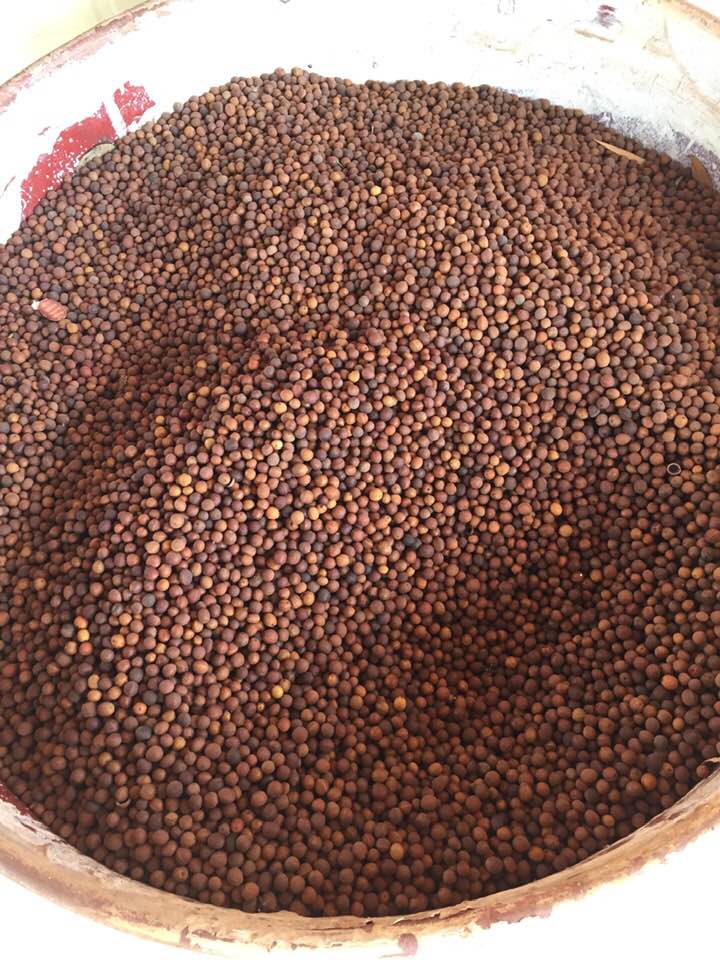
Mulga seed — 150 kilograms. Field collection.
A Global Mirror
The same crisis, half a world away.
This short film focuses on North America, where restoration practitioners, Indigenous seed keepers and ecologists are naming the same structural gap: demand for native seed is racing ahead of the systems that can supply it.
The species differ. The landscapes differ. The problem, and the solution, are the same — build the seed system underneath the restoration promise.
Source · YouTube — external
Primary focus: North America. The Australian context differs in species and Country, but the structural challenge is the same.
Field Dispatch
Moved to act? Stay close to the work.
A quiet, occasional note when there's something worth reading — new bulletins, seed system updates, and openings for practitioners.
No spam. Unsubscribe any time. Email only — we never share your details.
What Now