Back to Library
Framework · 5 June 2026
Seed Production Area Framework
A practical framework for designing, governing and operating seed production areas at scale.
Seed Production Areas
Building Reliable Native Seed Supply for Restoration at Scale
Australia's restoration ambitions are growing rapidly. Governments, mining companies, Traditional Owners, conservation organisations and land managers are investing in biodiversity recovery, mine rehabilitation, climate adaptation and landscape restoration on an unprecedented scale.
Yet across the country, one challenge continues to emerge.
Demand for native seed is growing faster than supply.
For many species, seed remains dependent on opportunistic wild collection. Seasonal variability, unpredictable flowering events, limited collection windows and increasing competition for seed resources mean that many restoration projects struggle to secure sufficient quantities of appropriate seed when it is needed.
Seed Production Areas (SPAs) offer a practical solution to this challenge.
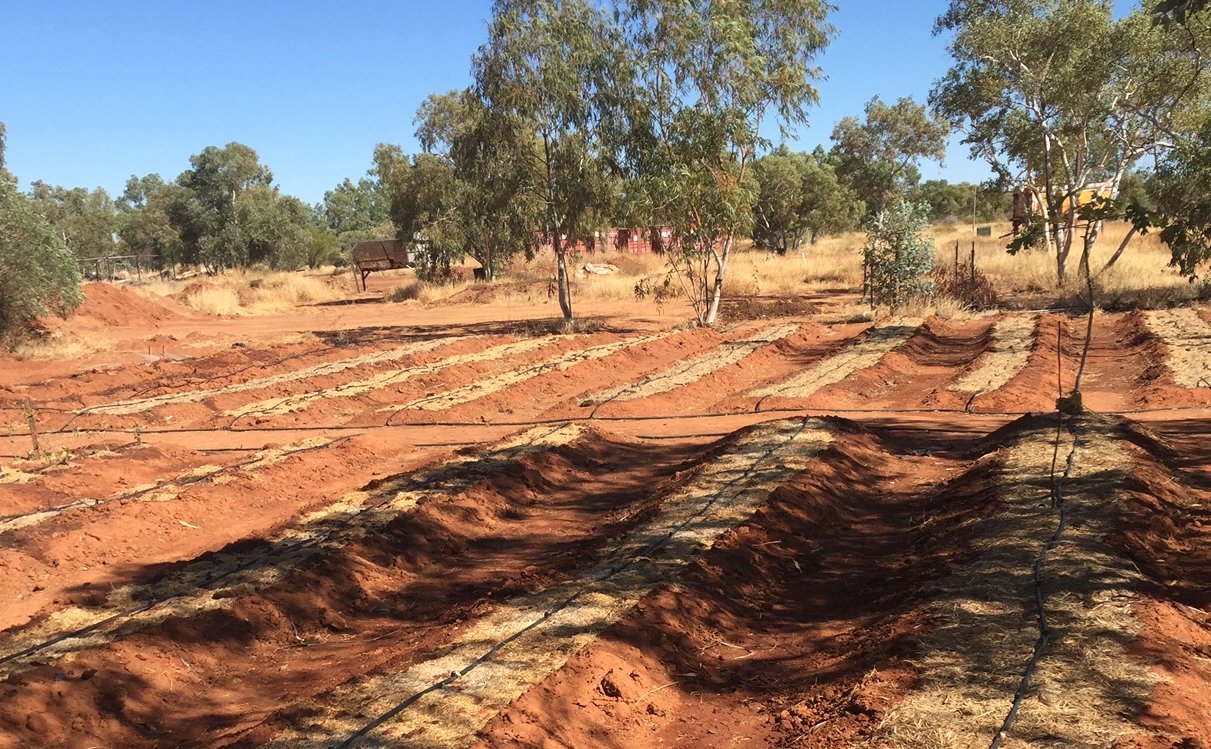
Seed Production Areas are purpose-designed landscapes established to produce reliable quantities of native seed for restoration, conservation and rehabilitation programs. They sit between wild collection and large-scale restoration delivery, providing an essential link in the native seed supply chain.
In many ways, SPAs represent the missing middle of Australia's restoration economy.
While considerable effort has been invested in seed collection and restoration delivery, comparatively little attention has been given to building the long-term production systems needed to support future demand. As restoration targets continue to expand, reliance on wild collection alone is unlikely to provide the scale, consistency and predictability required.
Seed Production Areas help address this challenge by creating dedicated seed production landscapes that can generate seed over many years while maintaining ecological integrity and supporting provenance objectives.
The design of a successful Seed Production Area begins with Country.
Site selection requires careful consideration of climate, soils, hydrology, access, cultural values and long-term management requirements. Locations should be capable of supporting target species while remaining accessible for monitoring, harvesting and maintenance. Where possible, site selection should also consider future climate conditions and the role that seed production may play in supporting landscape resilience over coming decades.
Species selection is equally important.
The objective is not simply to maximise seed yield. The objective is to establish diverse and resilient production systems capable of supplying priority species required for restoration. Depending on local needs, Seed Production Areas may focus on:
Foundation canopy species
Mid-storey species
Understorey species
Culturally significant plants
Threatened species
Climate adaptation species
Priority rehabilitation species
A balanced approach helps ensure that restoration programs are not limited to a small number of commercially available species, but instead contribute to the development of functioning ecosystems.
Governance is a critical component of any Seed Production Area.
Successful production systems require clear arrangements around ownership, management, decision-making and benefit sharing. For Indigenous-led projects, governance should ensure that Traditional Owners retain authority over cultural values, knowledge and long-term management decisions. Governance frameworks should also establish clear protocols relating to seed collection, provenance, data management and commercial participation.
Seed Production Areas are most effective when they are viewed as long-term assets rather than short-term projects.
Many native species require years to reach productive maturity. Production cycles vary significantly between species, with some generating seed annually while others may only produce commercially viable quantities under favourable conditions. Effective management therefore requires long-term planning, monitoring and adaptive management.
Quality assurance is equally important.
Seed produced through SPAs should meet recognised standards relating to species identification, provenance, collection methods, storage, viability and record keeping. Robust quality assurance systems help build confidence among restoration practitioners while ensuring that seed remains fit for purpose and capable of supporting healthy restoration outcomes.
Beyond ecological benefits, Seed Production Areas also create economic opportunities.
Well-designed production systems can support Indigenous enterprises, ranger programs, local employment and regional restoration economies. They can reduce pressure on wild populations, improve supply certainty and create pathways for long-term participation in restoration markets.
The financial viability of Seed Production Areas depends on viewing them as infrastructure rather than agricultural crops.
Like roads, ports or water systems, their value lies not only in what they produce, but in the capability they create. A functioning Seed Production Area can support multiple restoration projects, generate seed over decades, strengthen local capacity and contribute to regional ecological resilience.
As Australia's restoration economy continues to mature, Seed Production Areas will become increasingly important.
They offer a practical mechanism for increasing supply, improving restoration readiness and strengthening the resilience of Australia's native seed sector.
Most importantly, they help shift restoration planning from a reactive model based on seed shortages and procurement challenges toward a proactive model based on long-term capability, stewardship and investment.
The future of restoration depends not only on what we plant, but on our ability to reliably produce the seed that future landscapes require.
Seed Production Areas are one of the most effective tools available for building that capability.
SPAframeworkproduction
Filed by SeedKeepers