Back to Library
Guide · 5 June 2026
Restoration Readiness: A Field Guide
What it means to be restoration-ready — from seed planning to Traditional Owner engagement, before a single hectare is touched.
Restoration Readiness
A Field Guide to Planning Before Planting
Most restoration projects fail at the seed stage long before they fail in the ground.
The symptoms often appear later. Species are unavailable when needed. Collection opportunities have passed. Provenance requirements cannot be met. Costs increase. Project timelines slip. Restoration outcomes are compromised.
By the time these problems become visible, the underlying causes have usually been in place for years.
The reality is that successful restoration begins long before seed is collected or planting occurs. It begins with preparation.
Restoration readiness is the practice of organising the people, knowledge, infrastructure and seed supply required to support successful restoration outcomes before a project commences.
It is the difference between reacting to seed shortages and planning for restoration success.
Across Australia, restoration demand is growing rapidly. Governments are investing in biodiversity recovery. Mining companies are expanding rehabilitation programs. Carbon and nature markets are creating new opportunities for revegetation and ecological restoration. Yet many projects continue to treat seed as a procurement item rather than a critical dependency.
Seed is often considered late in the planning process. Species lists are developed without understanding seed availability. Collection requirements are identified after budgets have been approved. Provenance considerations emerge after project timelines have been established.
The result is predictable.
Projects designed around restoration targets frequently encounter seed supply constraints that could have been identified years earlier.
Restoration readiness seeks to address this problem by bringing seed, knowledge and stewardship considerations to the beginning of project planning rather than the end.
The first step is understanding what the project is trying to restore.
This sounds simple, but it is often overlooked.
A restoration project is not simply about establishing vegetation. It is about rebuilding ecological function, supporting biodiversity, strengthening landscape resilience and, in many cases, restoring cultural relationships with Country.
Before species lists are developed, there should be a clear understanding of:
Desired ecological outcomes
Landscape context
Cultural values and priorities
Future climate considerations
Long-term management objectives
These conversations provide the foundation for everything that follows.
The next step involves understanding the seed requirements associated with those objectives.
This includes identifying:
Priority species
Functional groups
Provenance requirements
Genetic considerations
Collection feasibility
Existing supply availability
Many restoration programs discover at this stage that some species are readily available while others may require years of planning and production before adequate quantities can be secured.
This is not a problem.
It is valuable information.
The purpose of restoration readiness is not to eliminate constraints. It is to identify them early enough that practical solutions can be developed.
Mapping and spatial planning also play an important role.
Understanding provenance zones, species distributions, collection locations and future restoration areas helps project teams make informed decisions about seed sourcing and production requirements.
GIS mapping can assist with:
Provenance planning
Collection area identification
Species distribution analysis
Climate adaptation considerations
Future seed production opportunities
Good restoration planning is increasingly supported by good spatial information.
Collection planning is another critical component.
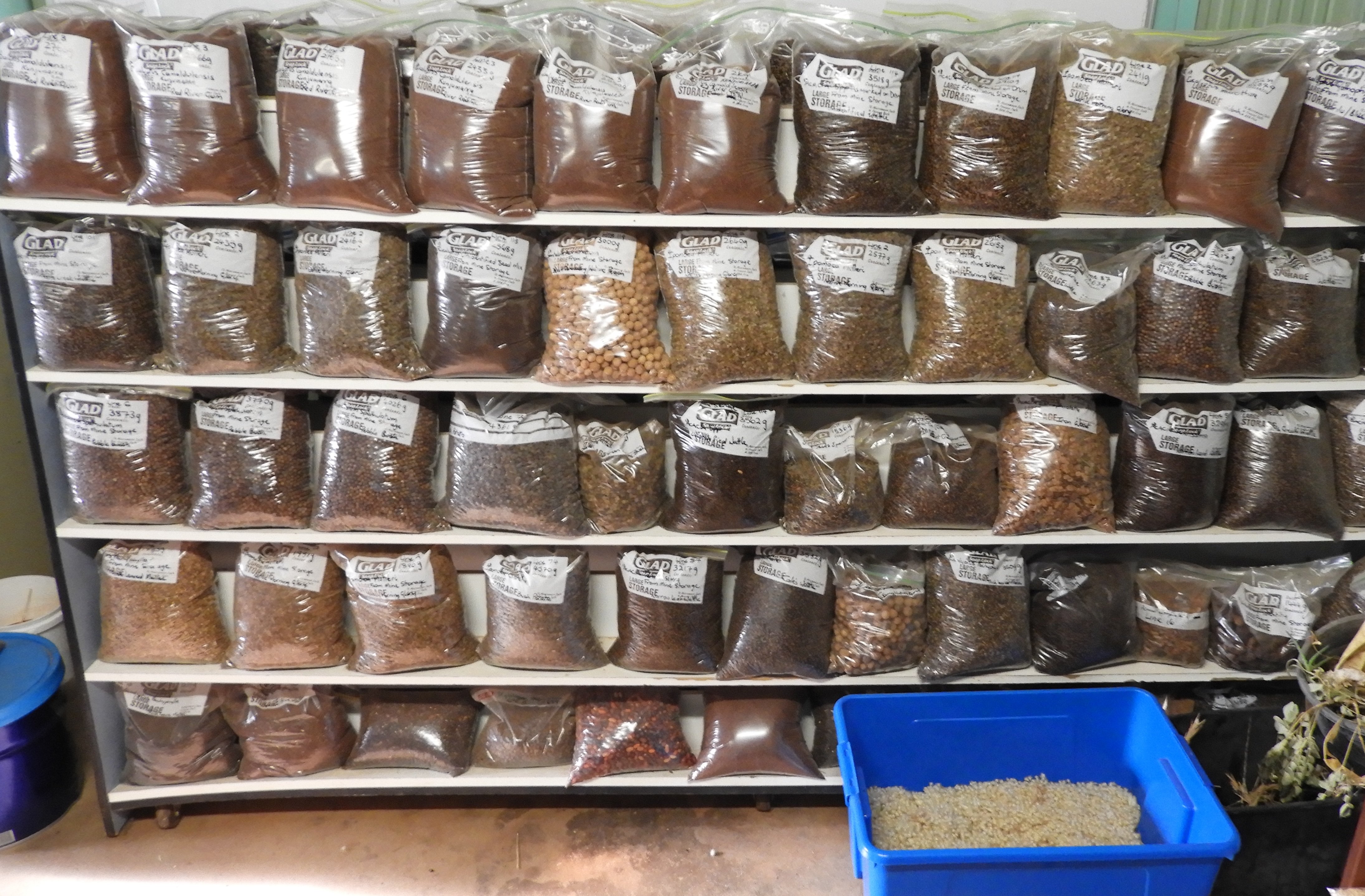
Every species has a collection window. Some opportunities occur annually. Others may only occur under favourable seasonal conditions. Understanding flowering cycles, fruiting periods and collection requirements allows project teams to develop realistic timelines and reduce future supply risks.
Storage and handling considerations should also be addressed early.
Not all species respond to storage in the same way. Some can be stored for many years. Others require specialised handling, propagation or production systems. Understanding these constraints can significantly influence restoration planning and budget development.
Governance is equally important.
One of the most overlooked aspects of restoration readiness is ensuring that the right conversations occur before decisions are made.
Traditional Owner engagement should not be treated as a compliance activity or consultation process conducted after project design has been completed.
Traditional Owner conversations should happen first.
Long before seed is collected.
Long before species are selected.
Long before restoration works commence.
Traditional Owners hold knowledge about Country, species, ecological change and cultural priorities that can strengthen restoration outcomes and identify risks that may otherwise remain invisible.
These early conversations help establish:
Shared objectives
Cultural governance arrangements
Access and permissions
Knowledge management protocols
Benefit-sharing opportunities
Long-term stewardship responsibilities
When these relationships are established early, restoration becomes more collaborative, more culturally informed and more likely to deliver lasting outcomes.
Perhaps the most important lesson from restoration readiness is that successful restoration is rarely limited by what happens on the day of planting.
It is shaped by the decisions made years beforehand.
The projects that consistently achieve strong outcomes are usually those that invest time in preparation, planning and relationship building before implementation begins.
Restoration readiness is not an additional step in the restoration process.
It is the foundation upon which successful restoration depends.
At SeedKeepers, we view restoration readiness as an essential component of restoration infrastructure. It connects Country, knowledge, seed supply, governance and stewardship into a practical planning framework that helps organisations move from restoration ambition to restoration capability.
Because restoration begins long before planting.
And the most successful projects are often the ones that are prepared before the first seed is ever collected.
Restoration Readiness Checklist
Before restoration begins, ask:
Have Traditional Owners been engaged early in the planning process?
Are ecological and cultural objectives clearly defined?
Are species lists linked to restoration outcomes?
Have provenance requirements been identified?
Is seed availability understood?
Have collection windows been mapped?
Are storage and production requirements known?
Have governance arrangements been established?
Is there a long-term stewardship plan beyond project delivery?
If the answer to any of these questions is no, the project may not yet be restoration ready.
readinessfield guideplanning
Filed by SeedKeepers